Alcohol in Weekend Contexts
Published in February 2026
Introduction
Consumption of alcohol-containing beverages represents one of the most significant differences between weekday and weekend eating and drinking patterns in the UK. Population dietary surveys and drinking behaviour studies have consistently documented elevated consumption of beer, wine, cider, and spirits during weekends compared to weekdays.
Alcohol-Containing Beverages in UK Culture
Alcohol consumption is deeply embedded in UK social and cultural traditions. Beer and cider are long-established beverages linked with British cultural identity. Wine consumption has become increasingly normalised in UK households. Pub culture, where alcohol-containing beverages are central, remains significant in British leisure and social life.
The UK has legal frameworks around alcohol consumption age (18 years) and established social norms around drinking occasions. Weekends are traditionally associated with alcohol consumption as part of leisure and celebration.
Social Drinking and Weekend Occasions
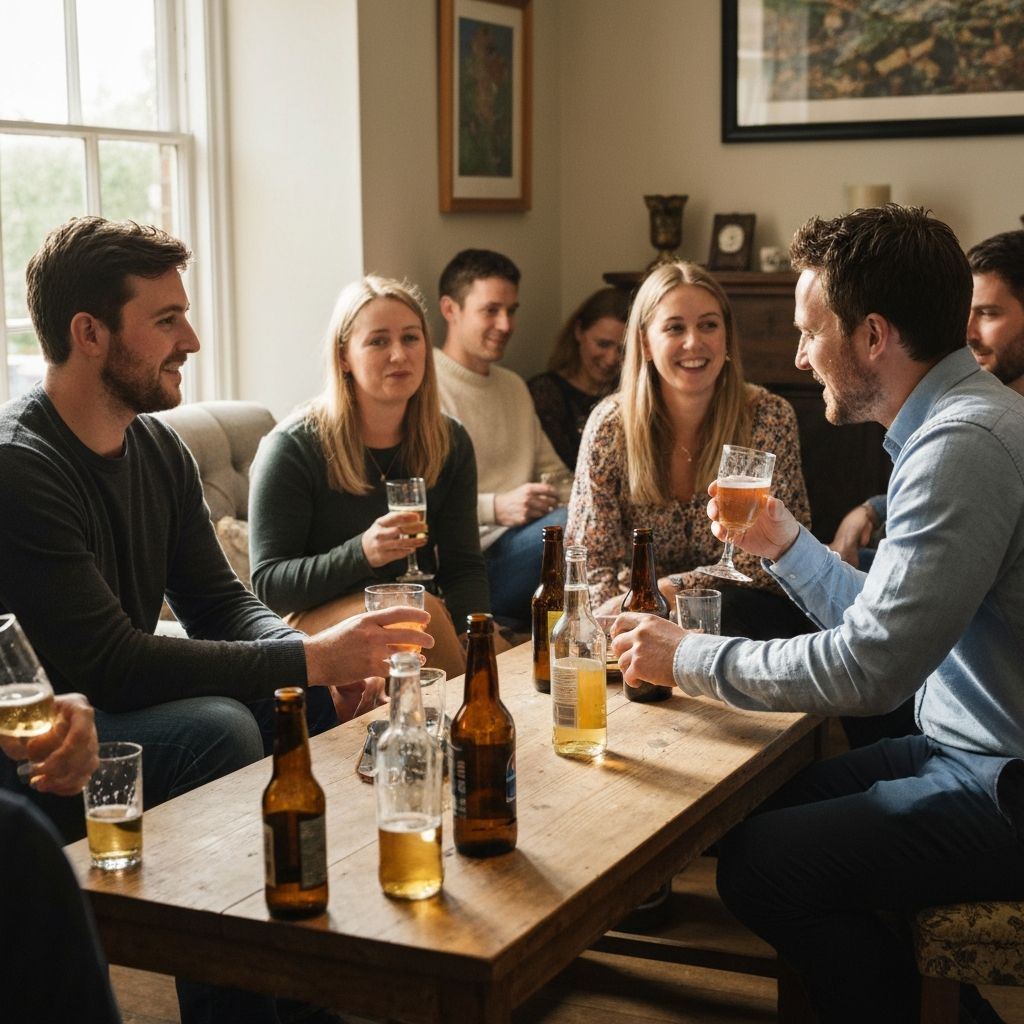
Alcohol-containing beverages feature prominently in weekend social occasions. Pub visits, which often centre on beer and cider consumption, represent typical weekend leisure activities. Family meals, social gatherings at home, and entertaining guests frequently include wine or other alcoholic drinks.
The social function of alcohol—facilitating socialisation, marking celebration, and creating shared experience—makes weekend social occasions frequent contexts for alcohol consumption. Alcohol availability at these occasions is expected and normalised.
Pub Culture and Weekend Leisure
Public houses (pubs) remain central to UK weekend leisure, particularly in adult social time. These establishments serve alcohol-containing beverages as primary products. Friday and Saturday evenings represent peak pub attendance times. The pub environment creates a setting for extended drinking occasions and food consumption alongside beverage consumption.
Pub food offerings often pair with alcohol consumption, with traditional pub meals—fish and chips, meat pies, and other foods—regularly consumed alongside alcoholic beverages. The pub represents an integrated food and beverage leisure setting.
Home-Based Weekend Drinking
Weekend entertaining at home frequently involves provision of alcoholic beverages. Wine with meals, beer during informal social time, and cider or wine during casual gatherings represent common home-based weekend patterns. The purchase of alcohol for home consumption is frequently part of weekend shopping and entertaining preparation.
The home entertainment context during weekends—film nights, sports viewing, social gatherings—often involves alcohol consumption as part of the leisure activity.
Types of Alcoholic Beverages Consumed
Beer consumption remains prominent in UK weekend drinking, with traditional ales, lagers, and craft beers available. Cider, particularly in certain regions, represents another significant beverage category. Wine—red, white, and sparkling—has become increasingly common in weekend consumption. Spirits and mixed drinks feature in varied contexts.
The diversity of available products and brands creates variety in weekend alcohol consumption patterns across different demographic groups and preferences.
Timing and Duration of Drinking Occasions
Weekend drinking occasions extend longer than typical weekday drinking. Friday evening through Sunday allows for extended leisure time and social occasions. Multiple drinking occasions over the weekend—Friday evening, Saturday afternoon and evening, Sunday leisure time—create higher total alcohol consumption.
The extended leisure time of weekends permits longer drinking occasions compared to weekday contexts. Pub visits and home-based entertaining can extend over several hours during weekends.
Energy Content and Associated Eating
Alcohol-containing beverages contribute energy to total intake during weekends. Beer and cider contain carbohydrates and calories. Wine and spirits contain energy from alcohol. The consumption of multiple drinks over extended weekend occasions contributes substantially to energy intake.
Alcohol consumption is frequently paired with food consumption. Pub meals, snacks served during home entertaining, and food alongside drinking all increase total food and energy intake during weekend drinking occasions.
Celebration and Special Occasions
Specific weekend occasions—birthdays, anniversaries, celebrations—feature alcohol consumption as a central element. These special occasions create expected and anticipated drinking occasions. The celebratory nature of certain weekends influences alcohol availability and consumption amounts.
The association between celebration and alcohol creates anticipation and planning around weekend alcohol consumption for special events.
Regional Variations in Alcohol Consumption
Alcohol consumption patterns show regional variations within the UK. Some regions have stronger pub cultures, while others show different patterns of home-based drinking. Regional beverage preferences—for example, cider in some regions, beer in others—influence local consumption patterns.
These regional differences reflect historical, cultural, and economic variations in alcohol availability and consumption traditions.
Demographic Variations
Alcohol consumption patterns vary across demographic groups. Age, gender, socioeconomic status, and family structure influence weekend drinking patterns. Not all demographic groups show the same level of weekend alcohol consumption increases.
Some individuals do not consume alcohol, and patterns vary substantially across diverse UK populations.
Conclusion
Alcohol-containing beverage consumption represents a significant feature of weekend eating and drinking patterns in the UK. The combination of social occasion frequency, leisure time availability, pub culture prominence, home entertaining practices, and cultural association between weekends and celebration all contribute to elevated weekend alcohol consumption.
Understanding alcohol consumption as a contextual factor in weekend eating patterns provides informational background about beverages and their role in UK leisure and social contexts. This information describes observed patterns without making recommendations about alcohol consumption or judgements about drinking behaviour.